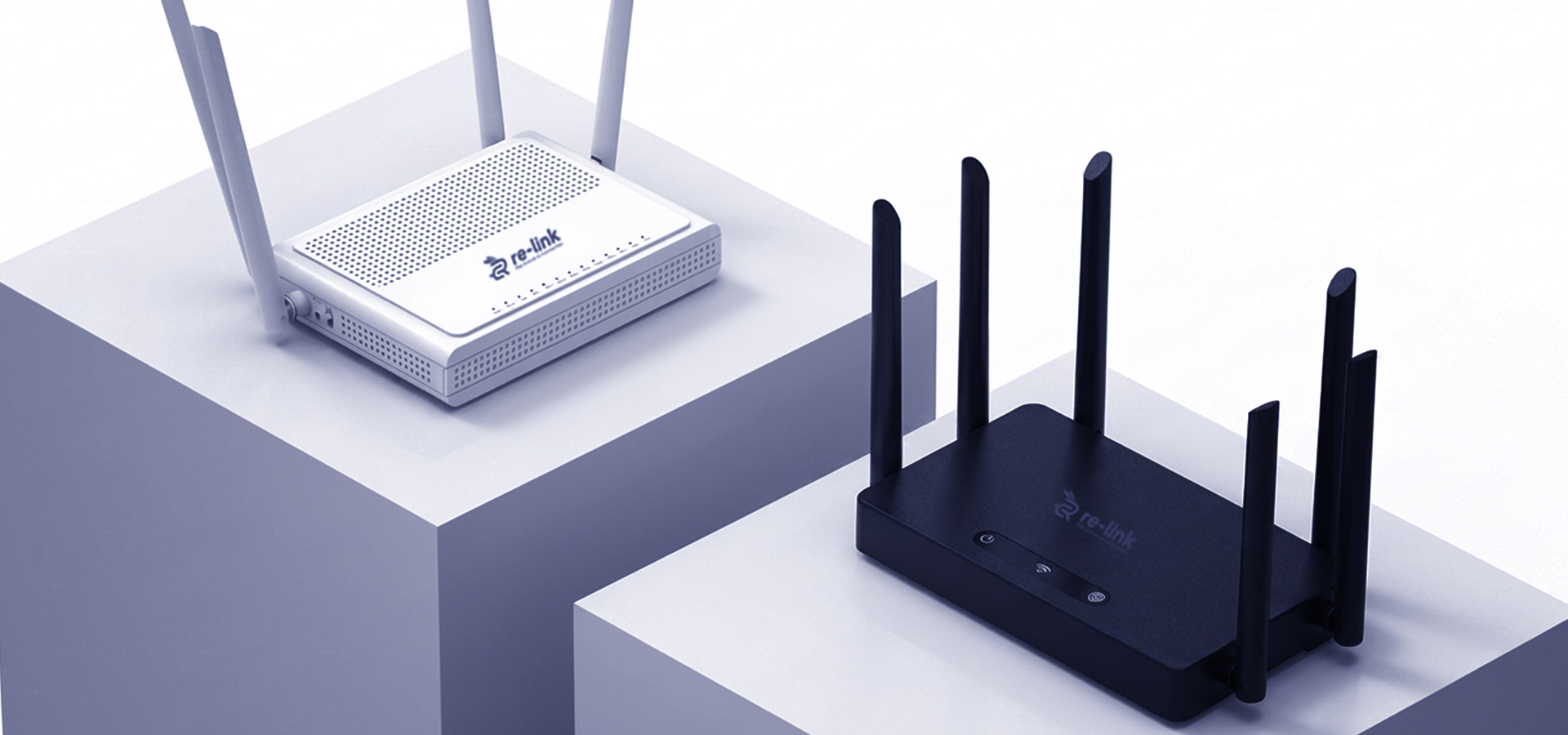
Wi-Fi 6E: Unlocking the 6 GHz Band
The 6 GHz extension opens a massive new spectrum band free from legacy interference.
Read Article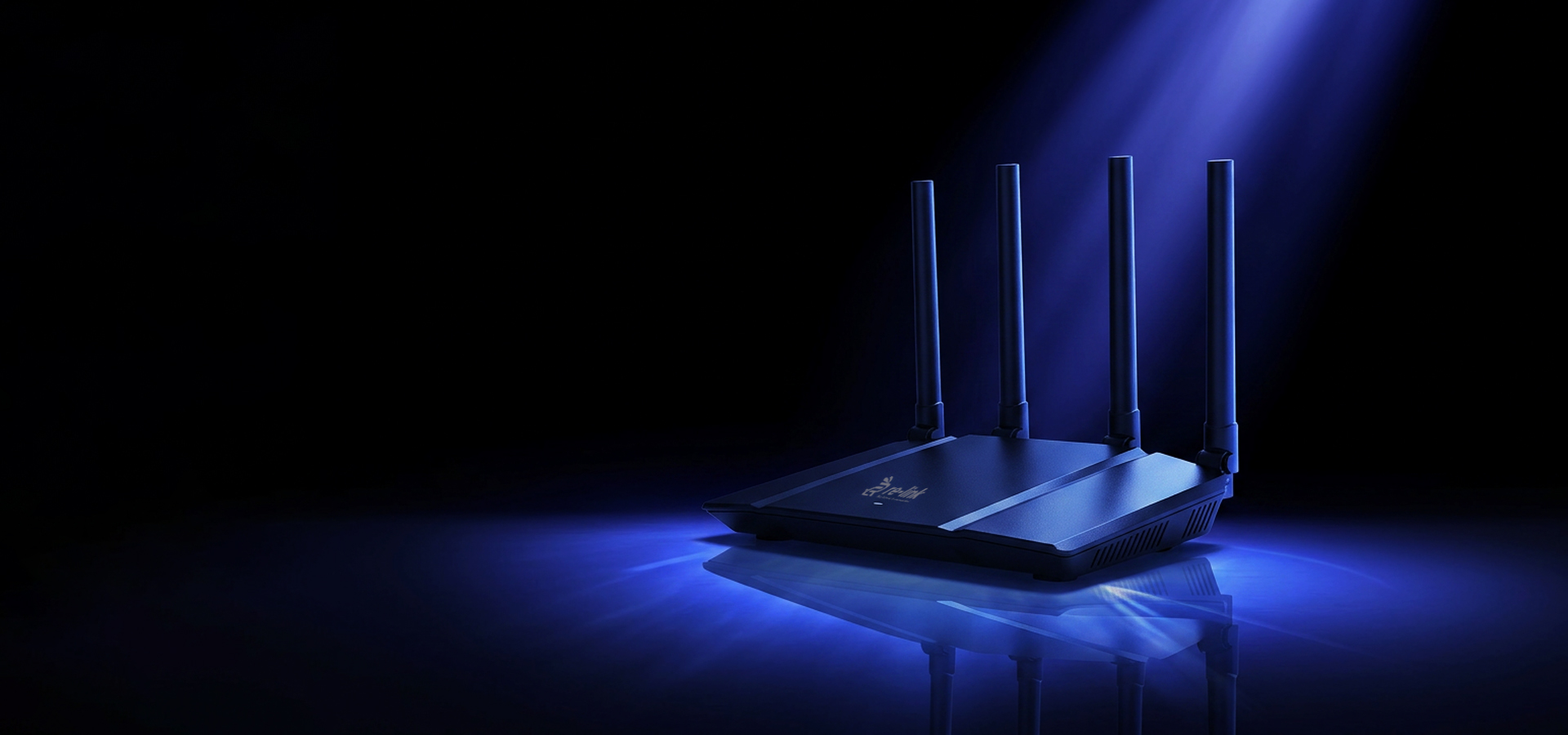
Wi-Fi 6, formally known as IEEE 802.11ax, represents the most significant evolution in wireless networking since the introduction of dual-band technology. Released in 2019, it was designed not just to deliver faster individual speeds, but to handle the growing density of wireless devices in homes, offices, and public spaces.
Previous Wi-Fi generations focused heavily on peak throughput - the maximum speed a single device could achieve in ideal conditions. Wi-Fi 6 shifts the focus to network efficiency, ensuring that speed is maintained even as more devices compete for airtime.
The headline improvements come from three core technologies: OFDMA, MU-MIMO enhancements, and BSS Coloring.
OFDMA divides each wireless channel into smaller sub-channels called Resource Units (RUs). A single transmission can simultaneously carry data to multiple devices, reducing the time each device has to wait for a clear channel. In a busy environment - like an apartment building or a conference room full of laptops - this translates directly into lower latency and smoother performance for everyone.
Wi-Fi 5 introduced MU-MIMO (Multi-User, Multiple Input, Multiple Output) with up to 4 downlink streams. Wi-Fi 6 doubles this to 8 simultaneous streams - and crucially adds uplink MU-MIMO, meaning the router can receive data from multiple devices at the same time, not just send it. This is essential for video calls, cloud uploads, and any scenario where devices are transmitting simultaneously.
One of the most underappreciated features of Wi-Fi 6. Basic Service Set (BSS) Coloring assigns a color tag to each network. Devices can now distinguish between their own network's transmissions and those from neighboring networks on the same channel, allowing them to transmit concurrently rather than waiting unnecessarily. This dramatically reduces the co-channel interference that plagued dense Wi-Fi deployments.
Theoretical maximum speeds for Wi-Fi 6 reach 9.6 Gbps, though real-world throughput depends heavily on channel width, number of antennas, and client capabilities. On the 5 GHz band with 160 MHz channels, speeds climb to 2402 Mbps on capable routers like the Re-Link RE3006. The 2.4 GHz band reaches 574 Mbps - still significantly faster than Wi-Fi 5 on the same band.
Range improvements come primarily from Target Wake Time (TWT) - a power management protocol that schedules when devices wake to transmit. Battery life on connected devices can improve by up to 67% compared to Wi-Fi 5, a major benefit for IoT sensors, smart home devices, and mobile devices.
Wi-Fi 6 certification requires WPA3 support. WPA3-Personal uses Simultaneous Authentication of Equals (SAE), replacing the Pre-Shared Key handshake that was vulnerable to offline dictionary attacks. Even if someone captures your Wi-Fi handshake, they can no longer brute-force it offline. WPA3-Enterprise adds 192-bit security mode for government and financial networks.
If you're upgrading a home with 10+ connected devices, a mid-size office, or any environment with consistent Wi-Fi complaints, Wi-Fi 6 is the right move. The benefits compound as you add more Wi-Fi 6 capable clients - phones, laptops, and smart TVs released from 2020 onward typically support the standard.
For single-user home setups with fewer devices, the difference over Wi-Fi 5 may not be immediately obvious. But future-proofing your infrastructure now means you won't be replacing hardware again in two years as device counts continue to climb.
The Re-Link RE3006 is our flagship Wi-Fi 6 router, delivering 2976 Mbps total throughput across dual bands, with EasyMesh support and WPA3 out of the box. It's designed for demanding home offices, small businesses, and professional environments that need reliability alongside performance.
The 6 GHz extension opens a massive new spectrum band free from legacy interference.
Read Article
SAE, forward secrecy, and stronger encryption - here's what WPA3 actually protects you against.
Read Article
Multi-Link Operation and 320 MHz channels - the future of wireless is closer than you think.
Read Article